Why Maritime Academies Need Specialized CBT Systems: Overcoming the Challenges of Seafarer Competency Assessment
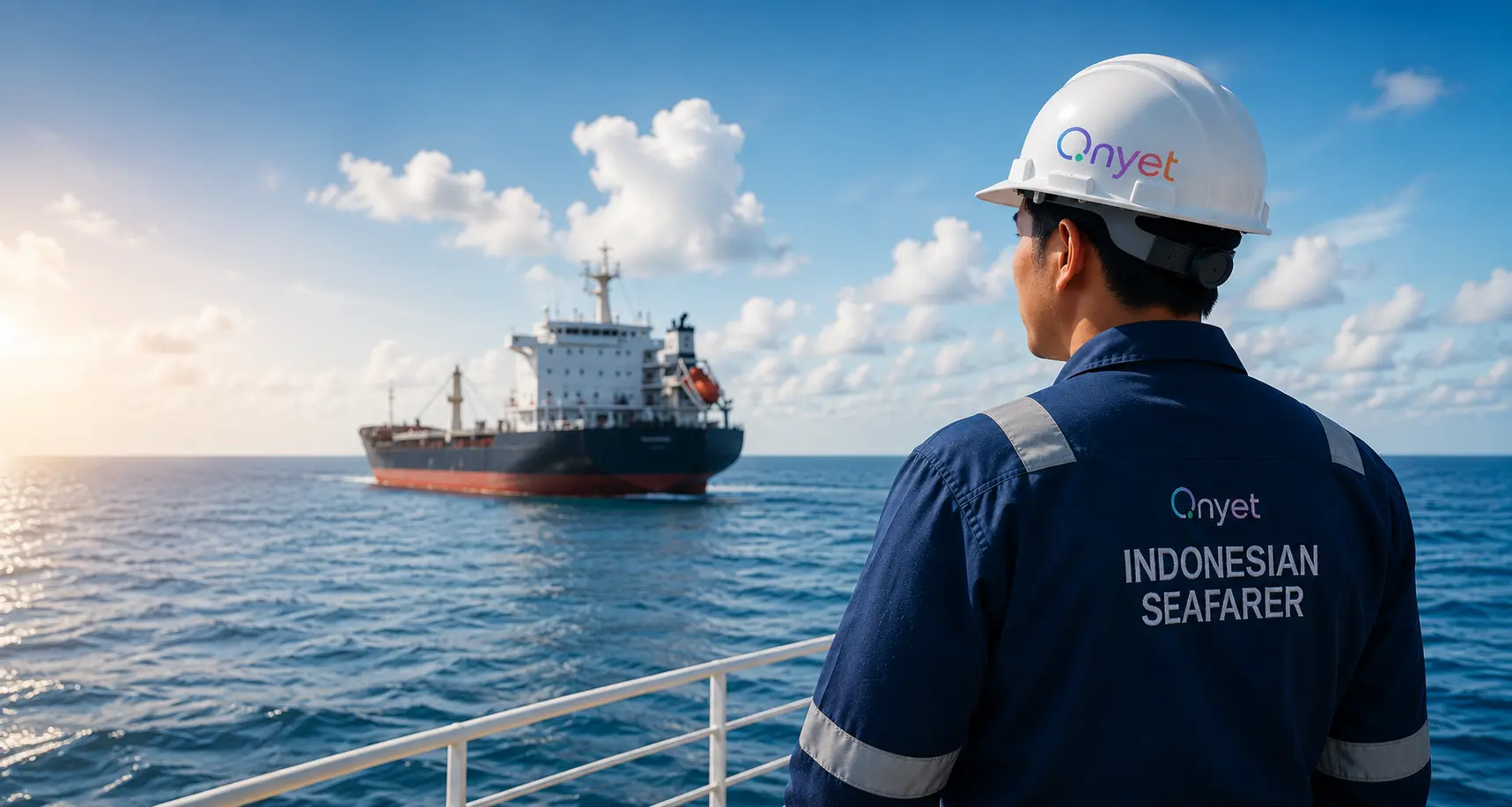
The maritime education sector operates under very different conditions compared to general higher education. In Indonesia, maritime vocational high schools (SMK Pelayaran) and kepelautan academies must not only adhere to national educational standards but also comply with strict regulations from maritime authorities and international conventions, most notably the STCW 2010 (Standards of Training, Certification, and Watchkeeping for Seafarers). This dual compliance ensures the graduation of competent, globally competitive officers who are prepared to handle high-risk ocean operations.
A key pillar in verifying and building this competence is the training and assessment process using Computer-Based Training (CBT) systems. For anyone in the maritime training field, platforms like Seagull CBT are well-known standards. However, a common misunderstanding is that CBT is purely a tool for final assessments (testing). In reality, cadets at SMK Pelayaran and maritime academies need a platform that does not just test them, but actively provides self-paced, interactive learning modules before the testing takes place.
Why do maritime educational institutions need specialized CBT platforms rich in maritime learning content, and how can they use them to elevate training standards? Here is a detailed look.
The Importance of Integrating Learning and Assessment in Maritime Schools
1. The Core Need: Learning Integrated with Testing
Unlike general education where simple textbook materials suffice, maritime training requires dynamic visual comprehension. Cadets must study detailed diesel engine cylinders, understand steering commands for collision avoidance (COLREGs), and learn cargo securing methods.
Thus, a maritime CBT must act as a Computer Based Training tool, not just a testing suite. Cadets require structured learning pathways across department categories:
- Marine Engineering: Ship engines and machinery basics.
- Navigation: Nautical chart reading, route plotting, and guidance.
- Cargo Handling: Safe cargo loading and securing methods.
- Operation & Safety: Operational safety rules and emergency responses.
- Radio Communications: Marine radio procedures and distress signalling.
- Electronics & Control: Vessel electrical systems and control circuits.
- Maintenance & Repair: Equipment maintenance and shipboard repairs.
- Language Training: Maritime English based on Standard Marine Communication Phrases (SMCP).
With a structured curriculum, cadets can study the theory, view interactive simulators, and complete self-evaluation quizzes directly in the same system.
2. Ready-to-Use and Comprehensive Content Library
The biggest challenge in implementing digital learning in maritime schools is content development. Creating interactive maritime learning materials from scratch takes substantial time and resources.
Educational institutions need a system that includes a complete content library from day one. Having a comprehensive self-study module is essential to supplement limited physical training models on campus, allowing cadets to reinforce visual understanding through instrument simulators or safety animations directly on a computer.
3. Stable Local Performance and High Security
Maritime courses rich in instrument simulations and detailed charts require a stable system environment when accessed simultaneously by dozens of cadets in a computer laboratory. A reliable system ensures animations run smoothly, unaffected by school internet bandwidth bottlenecks.
Furthermore, because competency certifications determine a cadet’s eligibility for their Certificate of Competency (CoC), the CBT system must be designed with robust security to ensure the integrity of assessment results.
4. Audit Readiness for Maritime Authorities
Every maritime training institution in Indonesia undergoes periodic audits by maritime departments to maintain program approval. A critical aspect of these audits is verifying that course materials and test items align with STCW competency tables.
An ideal CBT system logs cadet progress, maps questions directly to relevant STCW codes, and provides structured evaluation reports, making audit preparations straightforward for campus administration.
Nautik CBT: The Complete Learning and Assessment Solution
For maritime schools, vocational high schools (SMK Pelayaran), and academies looking for a practical way to integrate learning and assessment, Nautik CBT offers a comprehensive solution.
Nautik CBT is a complete Computer Based Training package designed specifically to meet maritime training standards. Featuring 93 courses across 10 main training categories, Nautik CBT brings a standard-aligned course library directly to your school’s computer lab.
Key features of Nautik CBT:
- Extensive Course Library: Built-in interactive modules covering navigation, marine engineering, safety rules, and communication, accessible directly by cadets.
- Reliable Lab Deployment: Configured to run locally on your laboratory PCs. This ensures all interactive simulations and graphics load instantly at full speed, independent of external internet connectivity.
- Direct STCW Competency Mapping: Easily link courses and test items to STCW functions to generate compliance-ready reports for external auditors and examiners.
- Ongoing Technical Support: We provide deployment guidance, laboratory configuration setups, and support to ensure your system runs smoothly and is ready for future module updates.
Conclusion
Running a credible maritime training program requires balancing international compliance with local ease of management. By integrating a comprehensive self-study and assessment system, your academy simplifies administrative audits and equips cadets with practical operational knowledge before they step on board.
Ready to elevate your training standards? Contact the Onyet Corporation IT team at hello@onyet.id to discuss local laboratory installations, request a Nautik CBT demo, or schedule an on-campus trial.